Map Your Problem Before You Call
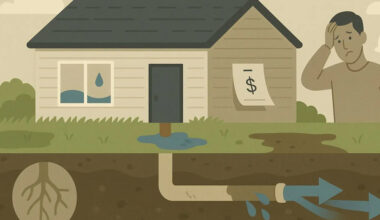
Define the issue clearly to save time and money. Before calling, gather details. Note where troubles occur, their duration, and trends. One bathroom with low water pressure is not whole-house pressure loss, highlights Capitol Hill property management. A sluggish sink drain is different from many fixtures backing up.
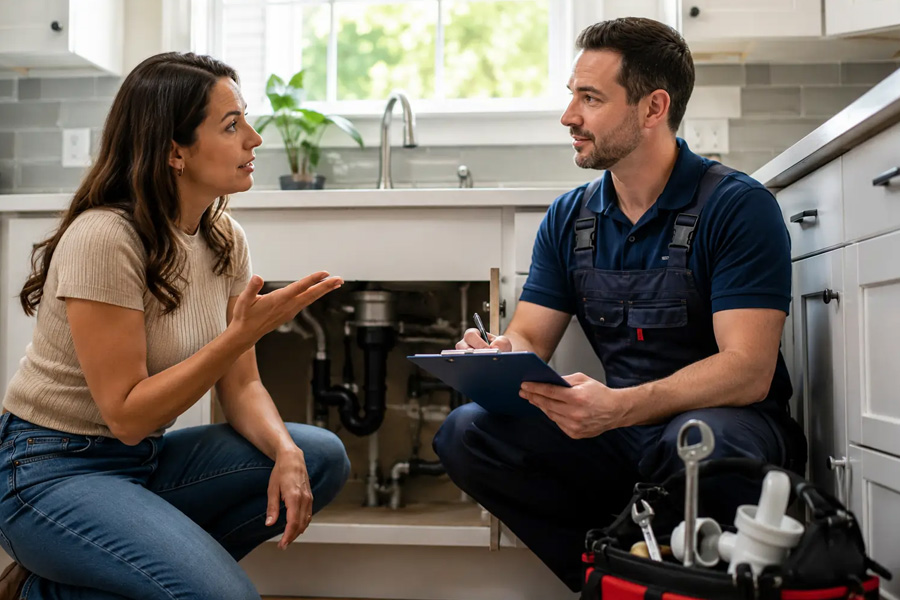
Photograph or video spills, stains, and appliance models. Suspect hidden leaks? Record water meter readings. Hold onto previous invoices and inspection reports. The more specific your briefing, the faster a pro can diagnose, provide a strategy, and estimate expenses and timeline.
Vetting Skill and Specialization
Plumbing is vast. A few experts specialize at servicing calls, others at remodels or massive repipes. Ask what percentage of their work matches yours. A sewer technician with a video rig and trenchless tools can fix repeated main line backups in hours. Remodeling plumbers can work with tile setters, cabinet installers, and inspectors.
Ask for modern system training. PEX expansions, copper soldering, press fittings, and CPVC expertise matter. Gas lines, water heaters, backflow assemblies, and well systems require expertise and certification. Experienced plumbers gather case histories. Ask them to describe a similar profession and the challenges they overcame.
Preparing a home for seasonal changes requires keeping mechanical systems running reliably alongside plumbing and structural upkeep. Homeowners managing properties in different regions often schedule regular equipment evaluations to support long-term durability. Working with an experienced Heating contractor in New Braunfels helps ensure heating units operate efficiently, limiting sudden breakdowns and preserving overall indoor comfort throughout the year.
Proof on Paper: Licensing, Insurance, Permits
Credentials prevent against mishaps. Ask for the license number and issuing jurisdiction. Make sure the license covers everything, not just minor fixes. Check workers’ comp and general liability insurance. Ask the contractor’s subs about their insurance.
Permits are rude. They are needed for water heater, main line, and major drain replacements and reroutes. Who pulls permits, how are inspections scheduled, and what happens if an inspector requests corrections? Pros who accept permissions show confidence and code fluency.
Transparent Pricing That Holds Up
Get a written quote for labor, supplies, disposal, surface restoration, and after-hours expenses. Find out how long the pricing lasts and what could change it. Explain diagnostic fees, especially if sewage cameras or line locators are used.
Know the price model. Unknowns can pay reasonable hourly rates with a cap or checkpoints. While flat-rate pricing is predictable for routine jobs, it can mask access and complexity assumptions. Hybrids are prevalent. Encourage line-by-line views and contingencies. Ask for good, better, and greatest options with distinct pricing.
Materials, Methods, and Warranties
Material selection influences durability, resale, and upkeep. Explain why the plumber recommends PEX over copper in your climate and water chemistry. Request fitting kinds and brand warranties. Compare hydro jetting to snaking for drain work and trenchless lining or pipe bursting to open trench replacement.
Warranties say volumes. Workmanship and manufacturer coverage matter. Set warranty call scheduling, contractor labor warranty, and exclusions. Know equipment terms, registration, and if the plumber or homeowner handles claims. A written warranty schedule should be in your folder before work begins.
Scheduling, Access, and Jobsite Etiquette
Poor logistics can ruin great work. Set start dates, daily arrival windows, and duration. Ask about lead times and backups before ordering parts. Make access and staging spaces clear for inhabited residences. Coverings, dust control, and water shutoff windows should be planned.
Say who will be there. Will the individual you met supervise the team, or will apprentices do most work with supervision? Daily updates are recommended for multi-day projects. Cleanliness isn’t aesthetic. It combines safety, order, and respect. End-of-day cleaning, capped lines, and secured tools.
Communication and Change Management
Projects breathe. Discoveries happen inside walls and under slabs. The difference between a smooth job and a costly mess often lies in how changes are handled. Require written change orders that describe the new scope, pricing impact, and added time. Insist that work pauses until you approve.
Choose a single point of contact. Ask how you will receive updates: text summaries, quick calls, or email with photos. If you are traveling or at work, set an escalation rule for emergencies. The contract should outline payment milestones tied to progress rather than vague dates.
Long-Term Care: Maintenance and Prevention
Good plumbers do more than fix problems. Request a home maintenance plan. Documenting these recommendations in a comprehensive home maintenance guide ensures you never miss a critical checkup. Avoid costly failures with annual water heater cleansing, pressure regulator checks, and hose bib inspections. Discuss hard water treatment alternatives to protect fixtures and pipelines. Schedule jetting or root management before backups if roots threaten your sewer.
Request a home plumbing map. Label main shutoffs, appliance valves, and cleanouts. Keep serial numbers of major equipment, filter sizes, and cartridge change dates. When a leak wakes you at midnight, that map is gold.
Red Flags You Should Not Ignore
Hesitation to show qualifications or insurance is serious. Unspecific lump sum estimates attract arguments. Unseen quotes for complex work often skyrocket. Pressure to pay deposits more than materials costs is dangerous. Being unwilling to get permissions or meet inspectors is a deal-breaker.
Watch how questions land. Professionals welcome knowledgeable clients. Keep looking if your contractor is defensive, ignores documents, or criticizes competitors. Plumbing is your home’s circulatory system. Let stewards, not opportunists, handle it.
Preparing a home for unexpected plumbing emergencies involves regularly checking fixtures and pipe connections for subtle signs of moisture or damage. Addressing small issues early can help limit structural damage and lower overall repair costs. For property owners managing regional maintenance, consulting professional services for Water Leaks Severna Park offers guidance on inspecting hidden pipes and securing vulnerable plumbing infrastructure.
FAQ
How do I compare competing plumbing estimates fairly?
Side-by-side scope alignment. Check that each proposal has the same duties, supplies, permits, surface restoration, and warranty. Adjust for apples-to-apples if one estimate cuts permission fees or utilizes lower-quality materials. Request missing item prices from each contractor to compare overall value, not just headline statistics.
Should I choose flat-rate or hourly pricing?
Tasks with predictable phases benefit from flat-rate pricing. It guarantees costs and prevents delays. In unknown situations like exploratory leak detection inside walls, hourly rate is acceptable. If hourly, set checkpoints, a not-to-exceed number, and clear conditions for revisiting it if hidden conditions are revealed.
What is a reasonable deposit for plumbing work?
Plumbers often bill upon completion without a deposit for modest jobs. Larger works usually require deposits for special-order items or the initial phase. A typical pattern is 10–30% material procurement, followed by milestone-based progress payments. Do not pay the majority ahead. Condition final payment on inspection and completion.
Do I need a permit to replace a water heater?
Yes, many jurisdictions. Water heater replacement includes venting, gas or electrical connections, seismic strapping, and pressure relief discharge lines, which usually require a permit. Your contractor should obtain the permit, schedule the inspection, and make any necessary changes. Clarify permit expenses and inspection coordination in the estimate.
Are sewer camera inspections worth the fee?
Camera inspections are useful for repeated backups, older pipes, and homebuying. It detects breaks, offsets, root incursions, and belly sags that snakes cannot. The video proves insurance claims and home purchase negotiations. Obtain video and a noted line location if repairs are needed.
How long should workmanship and parts warranties last?
The contractor may extend workmanship warranties for repipes or large installs beyond 1 to 2 years. Manufacturer warranties vary by brand and product. Request written terms for both. Clarify coverage gaps and claim handling. If exclusions are broad, longer may not be preferable; check the fine print.
Who should purchase fixtures and valves, me or the plumber?
Both can work, but with drawbacks. A plumber handles compatibility, delivery, and warranty support for fixtures, generally at a markup. You may save on the sticker price, but you may be responsible for problems, missing parts, and returns. Before buying, submit model numbers and check rough-in dimensions and local codes.
What happens if the plumber finds mold or asbestos during the job?
Work should pause immediately. Mold remediation or asbestos abatement is specialized and typically requires licensed contractors. Your plumber should document the discovery with photos and submit a change order that addresses schedule impacts. No one should disturb suspect materials without proper containment and procedures. Build a contingency plan into your timeline for such discoveries.
Are there meaningful eco-friendly plumbing upgrades?
Yes. Pressure-balanced or thermostatic valves, WaterSense fixtures, high-efficiency toilets, and heat pump water heaters save water and energy. Automatic whole-home leak detection and shutdown can save major damage and waste. When buying recycled-content or low-lead brass fittings, check certifications and performance, not just green labels.
What insurance should a plumbing contractor carry?
At minimum, general liability insurance to cover accidental property damage and personal harm, and workers compensation for employees. If your project is huge, ask about umbrella coverage that extends restrictions. If subcontractors are involved, require credentials from each. Request evidence of insurance directly from the insurer or as a current certificate with your project indicated.