Why fast action saves thousands
Modern Mercedes cars are sensor, control, and precision hardware symphonies. When one instrument is off key, the orchestra adjusts until it can’t. This compensation hides difficulties long enough for damage to escalate. A little misfire might overheat a catalytic converter. Lazy shifts tarnish clutch packs. Long climbs in summer traffic can fry a head gasket with a modest coolant leak.
Momentum works in maintenance and on the road. Early braking is cheap and controlled. Last-minute waiting is loud, smokey, and pricey. Try not to panic. Pattern awareness and quick, decisive action prevent molehills from becoming mountains.
Red flags you can verify in minutes
You do not need a lift or a lab to spot early trouble. A five minute routine can reveal trends long before they turn into invoices.
- Cold start behavior: On a fully cold engine, listen for a smooth flare to idle. Any stumbling, long crank, or brief rattling points to fuel, ignition, or timing components that need attention.
- Idle texture: At a stop in Drive with the AC on, the engine should feel even. Random tremors or a pulsing idle can hint at vacuum leaks, carbon buildup, or coil issues.
- Pedal feel and response: A brake pedal that sinks slowly or a throttle that gives a delayed surge are not quirks. They are clues.
- Shift quality: Light throttle upshifts should be crisp and almost invisible. Flares, thumps, or double shifts tell you adaptation values are compensating for wear or fluid problems.
- Underbody check after parking: Place clean cardboard under the engine area overnight. In the morning, note any drops and their location. A map of drips helps you act before levels fall dangerously low.
- Smell catalog: Sweet means coolant. Acrid means oil on a hot surface. Sharp electrical odor suggests wiring or accessory failure. Your nose often speaks before the dash does.
What to do in the first 24 hours after a warning
A measured response beats guesswork. Think like a pilot running a checklist.
- Capture the symptom: Take a 20 second phone video of the sound, shake, or light. Note outside temperature, gear, speed, and whether the AC or steering is in use. Data beats memory.
- Reduce load: Avoid high revs, towing, and long uphill climbs. Keep speed moderate. If the engine runs rough or a warning flashes, park it. A tow is cheaper than a component meltdown.
- Check the simple stuff: Verify oil level and coolant level with the correct procedure for your model. Confirm tire pressures when cold. Top up washer fluid so you can maintain visibility if leaks mist onto glass.
- Use a scanner if you own one: Record codes and freeze frame data without clearing anything. A good snapshot helps a technician hit the target instead of the wall.
- Book a diagnostic, not a parts swap: Ask for an inspection that includes a road test, code read, and visual leak check. Approving only what is proven prevents the shotgun approach.
Mercedes trouble patterns you should know
Every brand has tendencies. Recognizing them is like reading cloud shapes before a storm.
- Cooling system stress: Small coolant losses on turbo engines can escalate during hot weather and long highway runs. Hoses, expansion tanks, and plastic fittings age faster than you expect. Heat is the enemy of head gaskets and turbos.
- Direct injection side effects: Intake valve carbon can cause cold misfires and rough idle. Early symptoms are subtle. Leaving them unaddressed can shorten the life of coils, plugs, and catalysts.
- Automatic transmission adaptation: The 7 and 9 speed units learn driving style. When they start masking slipping clutches or sticky valves, you feel delayed engagements, hunting between gears, or a soft flare under light throttle. Fresh fluid and software checks are not optional forever.
- Air suspension aging: Corner-to-corner height differences after sitting overnight point to leaks. Compressor overwork follows soon after, and so does a larger bill.
- Steering and alignment: A slight pull or off-center wheel often comes with cupped or feathered tires. Tires become amplifiers for suspension wear. Early alignments are cheaper than four new tires.
- Battery and charging sensitivity: These cars are voltage picky. A marginal battery can light up half the dashboard with ghost faults and strain the alternator. Electrical gremlins love low voltage.
Cost traps to avoid
Some problems grow teeth quickly. Knowing the domino effect keeps your wallet intact.
- Driving through misfires: Raw fuel overheats catalytic converters. A few days can turn a plug and coil job into a converter replacement.
- Ignoring oil mist: Oil on a belt can lead to belt slippage and contamination of pulleys and accessories. A small valve cover leak can snowball into a no-charge condition or power steering issues.
- Topping off coolant without finding the leak: Low coolant is not a consumable. Repeated top-ups mask a leak until a hot day makes it terminal.
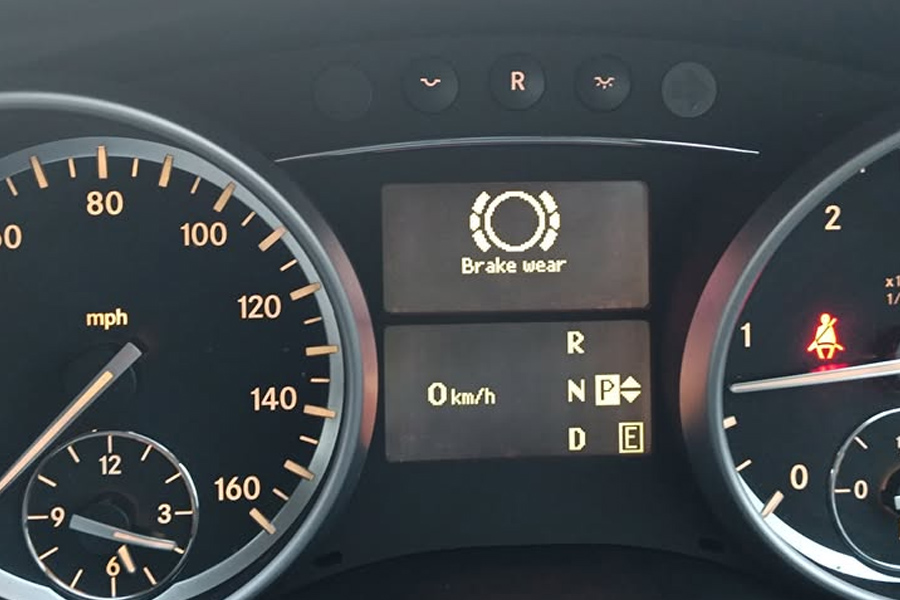
- Running on old brake pads: Beyond the wear sensor there is rotor damage. Past that, overheated calipers can seize. The escalator moves fast.
- Deferring battery replacement: A weak battery stresses modules during crank. Control units do not like brownouts and replacement makes your budget flinch.
Smart at-home checks between services
A predictable five minute habit can slash risk and stabilize costs.
- Tire inspection: Look for edge wear, center wear, or cupping. Pair this with a monthly cold pressure check and you will avoid most vibration mysteries.
- Quick pad glance: Through many wheel designs you can see pad thickness against the rotor. If it looks thin, schedule a check before metal meets metal.
- Fluid look and sniff: Coolant should be clear and appropriately colored, not rusty or oily. Engine oil should not smell like fuel. Transmission leaks often show up as fresh red or brown at the pan.
- Belt and pulley listen: With the hood open and the engine idling, a chirp or squeal near the front accessories deserves attention.
- Interior health: Damp carpets point to clogged drains or heater core leaks. Catching moisture early protects electronics and prevents mold.
- Battery rest check: If you own a voltmeter, measure after the car sits overnight. Healthy resting voltage is typically around 12.6 volts. Mid 12.2 and lower is a red flag in colder seasons.
How to talk to your shop for faster, cheaper fixes
Communication is a tool. Use it well and you buy accuracy.
- Describe the when, not just the what: Cold morning, after a highway cruise, during tight parking maneuvers. Context narrows causes.
- Bring evidence: Codes, videos, and notes. Hand them over without clearing history.
- Ask for root cause confirmation: Request that replaced parts are tested or shown to you. A conversation about cause avoids a cascade of maybes.
- Approve in stages: Green-light diagnosis first, then targeted repairs. Precision beats parts cannon.
- Keep a maintenance log: Dates, mileage, and services. Patterns emerge, and technicians can leverage them.
FAQ
Is it safe to drive with a solid check engine light if the car feels normal?
A steady light usually means the car detected a fault that affects emissions or performance, but not an imminent failure. Limit load and speed, and book a diagnosis soon. If the light flashes, that signals a misfire severe enough to damage the catalytic converter. Park it and arrange a tow.
My Mercedes shifts fine when warm but hesitates when cold. Is that urgent?
Cold hesitation can be early transmission wear, adaptation masking, or fluid age. It often progresses slowly, then accelerates. Have fluid condition and software levels checked promptly. Early intervention can restore crisp shifts and protect internal clutches.
I found a small puddle under the car. How can I tell what fluid it is?
Color and feel help. Coolant is often pink, blue, or green and feels slightly slick with a sweet smell. Engine oil is brown to black and feels oily without a distinct odor. Transmission fluid is red to brown and slippery. Brake fluid is clear to light amber and very thin. If in doubt, do not taste or touch more than needed. Photograph it and get it checked.
Can a weak battery really trigger multiple warning lights?
Yes. Low voltage confuses control units and can create a cascade of spurious warnings. If your cranking speed is slow or the car has sat for long periods, load test the battery. Replacing a weak one often clears a long list of oddities.
There is a light oil film around the valve cover. Can I defer it?
A light seep is common as seals age, but deferment carries risk. Oil can migrate to belts and sensors, then cause secondary failures. Monitor the area closely and schedule a repair before the seep becomes a drip.
Should I use a basic code reader on my Mercedes?
A basic reader can provide helpful engine codes and freeze frame data. It will not access all modules or brand-specific information, but it is useful for capturing a snapshot before service. Avoid clearing codes. Those records help your technician diagnose accurately.