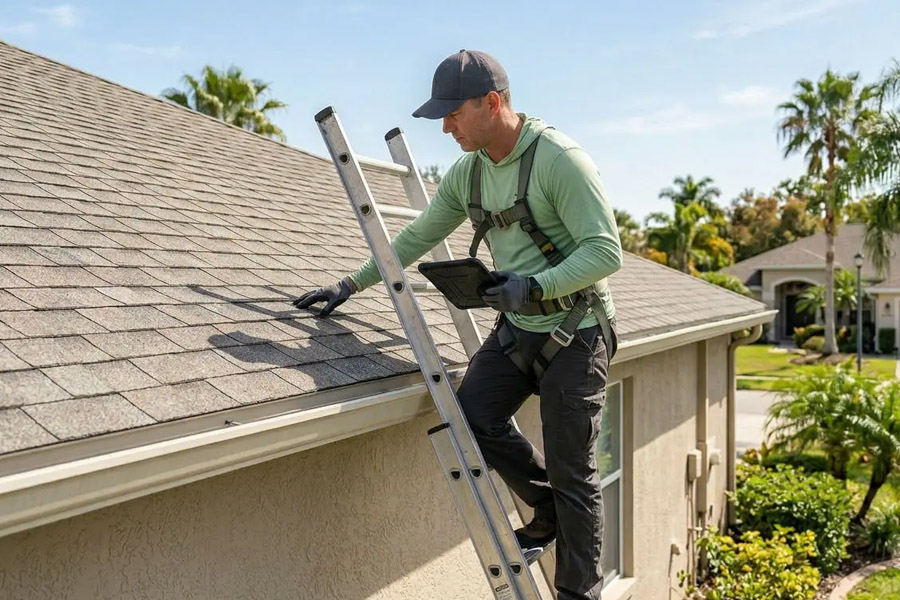
Why Small Failures Become Big Repairs in Tampa Storms
Coastal storms rarely destroy all houses. Thread by thread, they unravel. Raised shingle edges attract water that swells plywood. Doors flex due to unsecured latches, which affect hinges, frames, and glass. The trick is to close wind and water-starting loops. You don’t need a comprehensive redesign to save your property. Before the radar turns red, you need a sharp eye, a short list, and sweat.
Windows and Glazing: Pressure Paths You Can Close Today
Glass is a view and pressure boundary. Any frame gap becomes a nozzle when wind loads rise. Start with frame and sash. Clean recordings, then check midpoint wobble on either side. Diagonally shifting sashes indicate worn weatherstripping. Use compression stripping that matches your frame profile instead of peel-and-stick. Check fixed panes for brittle glazing beads or damaged caulk along the edges. Scrape, clean, and apply a continuous outside sealant bead, smoothing it and letting it set.
Upgrade to impact-rated windows gradually if your older windows bend or fog. Predrill and store fasteners in bags taped to plywood panels while planning, cutting, and labeling each opening. Scrambles become drills in calm conditions. Interior drapes and blinds won’t keep trash out. When glass breaks, they contain shards, buying safety minutes.
Doors and Garage Doors: Keep the Envelope Latched
Wind-rattling doors shake in squalls. Tighten hinge screws but continue. Replace short hinge screws with longer ones that bite into jamb framework. Adjust the strike plate to fully seat the latch tongue. Add a secondary slide bolt to wind-facing doors. If light passes through the bottom sweep of thresholds, wind-driven rain will follow. Use a double-fin or brush sweep and close on paper to test. Adjust further if it pulls out easily.
Your biggest moving wall, the garage door, is weak. Check vertical tracks for bends and secure fasteners into framing. Level horizontal tracks and brace them to the ceiling using angle iron, not perforated strap. If door panels bend when pressed toward the center, install a bracing system that attaches them to the frame and tracks. Roof decks and internal ceilings are protected by a rigid garage door against severe winds.
Roof and Attic: Fasteners, Flashing, and the Air Above Your Ceiling
Even from the ground, your roof speaks. Look for shadows that indicate lifted tabs, shingles that are not lying flat, or grit piles at downspout outlets. In the attic, take a bright light and find the day. Pinholes of light near ridges or valleys signal entry points for wind-blown rain. Seal nail pops with roofing mastic from below if access is safe, and note locations for a roofer.
Flashing is weatherproofing origami. Metal should tuck under top courses and over lower ones around chimneys, vents, and wall joints. If sealant is replacing metal, fix it quickly. Soffit vents should have undamaged screens and seated panels. Sealed attics are better in storms than pressurized ones. Wind can inflate the attic by tearing loose soffit panels. Fasten properly and add clips where panels meet frame.
Yard, Trees, and Loose Projectiles: Turn the Outside Quiet
Imagine your yard in a wind tunnel. Anything that can fly will fly. Walk the perimeter with a contractor bag and a wrench. Pick up stones, loose pavers, and dead branches. Tighten bolts on outdoor benches and anchor umbrellas or store them inside. Inspect fences panel by panel. Replace missing fasteners and add screws where nails have worked loose. A swaying panel is a battering ram in heavy gusts.
Trees need attention. Stand back and check the trunk for lean and crossed or dead branches. Trim roofline branches and weak growth that could snap. Keep mulch a few inches from the foundation to avoid it becoming a sponge that draws water to your walls.
Water Routes: Grading, Gutters, and Backup Lines of Defense
Water seeks the low road. The road should be distant from your foundation. Place a level on the slab soil line and step back 5-10 feet. Build and press earth up against the house if it slopes back. Set downspouts well beyond planting beds with sturdy extensions or hinged elbows to tilt them out before a storm and fold them back.
Cleaning gutters isn’t enough. They should slope to the downspouts and have tight hangers. Joint drips invite fascia decay. Seal joints and consider grade splash blocks or diverters. Water can push up sewer lines in lower Tampa during heavy rain. Professionals can install backwater valves to keep sewage out of drains. Set up sandbags or water-inflated barriers at door and garage thresholds if your home is prone to shallow flooding.
Power and Electronics: Keep the Lights and Data Alive
Humidity prolongs outages. Check what you need powered: a fridge, a modest fan, chargers, a lamp. Get your portable generator serviced before the season. Test-start, load, and store fresh stabilized gasoline in certified cans. Never use a generator in a garage or near openings. Use heavy-gauge outside extension cords and route them safely. Install a transfer switch to backfeed circuits permanently without risky makeshift connections.
Pre-outage electronics are sensitive. Install modem, router, and entertainment gear point-of-use surge protectors and whole-house surge protection at your main panel. A modest uninterruptible power supply on your modem and router can keep internet running while you move files or send updates if you work from home. Rechargeable lanterns trump candles on gusty evenings and lessen fire danger.
Inside the Walls: Seals, Penetrations, and Hidden Leaks
Rain and wind adore utility penetrations. Walk the exterior to find every cable, conduit, pipe, and vent. If the sealant is broken or missing, clean and apply a good material-specific exterior sealer. Bridge gaps with escutcheon plates around hose bibs. Mark ceiling stains with painter’s tape inside, then examine the attic after the next rain. A faint ring leaks amid a storm.
Do not ignore minor vents. Vent hood flappers should close under wind pressure in bathrooms and kitchens. Break or missing parts? Replace. Closures can stick open due to dryer vent lint. Test the flap and clean the duct. Every sealed gap lowers pressure-driven water infiltration.
Create an Interior Core: Safe Room Basics Without a Remodel
You can harden a room without rebuilding it. Choose a central room on the lowest level with few or no windows. Replace hollow interior doors to this space with solid core doors and use three hinges per door for better integrity. Install surface bolts on the inside if the room doubles as a refuge during peak gusts. Store a tote with two days of water, shelf-stable food, a flashlight, batteries, first aid kit, and copies of IDs sealed in a bag. Include shoes for each person; debris on floors turns bare feet into a liability.
If you have young children, a simple walk-through matters. Make entering the room a timed drill. Practice in calm weather so movement becomes automatic when the wind begins to push.
Documentation and Recovery: The Prep That Pays After the Storm
Phone cameras are powerful recovery tools. Walk each room and film walls, ceilings, floors, closets, and drawers. Slowly open cabinets and pan. Capture roofs, fences, and equipment outside. Email yourself the videos or put them in date-labeled cloud folders. Keep key appliance manuals and serial numbers in one folder. Keep an emergency contact list and insurance policy number in a zip bag. You’ll handle damage claims without guesswork.
FAQ
How do I know if my garage door needs reinforcement?
From within, press each panel’s center. It flexes easily? Add vertical and horizontal bracing to connect panels and door tracks. Track supports should be angle iron and fasteners should bite into frame. A strong door protects your roof and decreases internal pressure.
Are plywood window covers still worth it if I plan to upgrade windows later?
Yes. Cut, label, and predrill plywood panels now. Store them with fasteners and mounting hardware. Even if you install impact-rated windows later, the panels give you a reliable temporary defense for weak points like side lights or older doors you have not yet upgraded.
What is the quickest way to improve drainage right before a storm?
Extend downspouts and create temporary swales using soil or sandbags to steer water away from the foundation. Clear gutter outlets and place splash blocks beneath downspouts. These small changes can redirect hundreds of gallons during heavy rain.
How often should I test my generator during storm season?
Run it under load for 15 to 20 minutes once a month. Confirm it powers the appliances you plan to use. Check oil level, inspect the air filter, and rotate fuel stock with fresh stabilized gasoline. Store cords and safety gear with the unit so you are not hunting pieces in the dark.
Is trimming trees right before a storm a good idea?
Only if you are removing a clearly dead or dangling limb that poses an immediate risk. Major pruning is best done ahead of the season so cuts have time to dry and strengthen. Last minute heavy pruning can leave fresh wounds and unstable branches.
What are the most overlooked leak points on a typical house?
Utility penetrations, attic vents with cracked flappers, worn door sweeps, and flashing at sidewalls and chimneys top the list. These areas rarely draw attention until water stains appear. A slow walk with a tube of sealant and a screwdriver can erase many of these weak spots.
How can I protect my electronics beyond using a surge strip?
Install a whole-house surge protector at the main panel to catch large spikes. Pair it with point-of-use protectors for sensitive equipment. Add a small battery backup to your modem and router so you can maintain connectivity during short outages and shut devices down cleanly during longer ones.
What should go in the interior safe space if I am short on storage?
Keep it lean: water, calorie-dense snacks, a flashlight with extra batteries, a compact first aid kit, medication copies and a few doses, sturdy shoes, and spare phone chargers. Store documents in a sealed bag. The aim is quick access to essentials, not stockpiling.