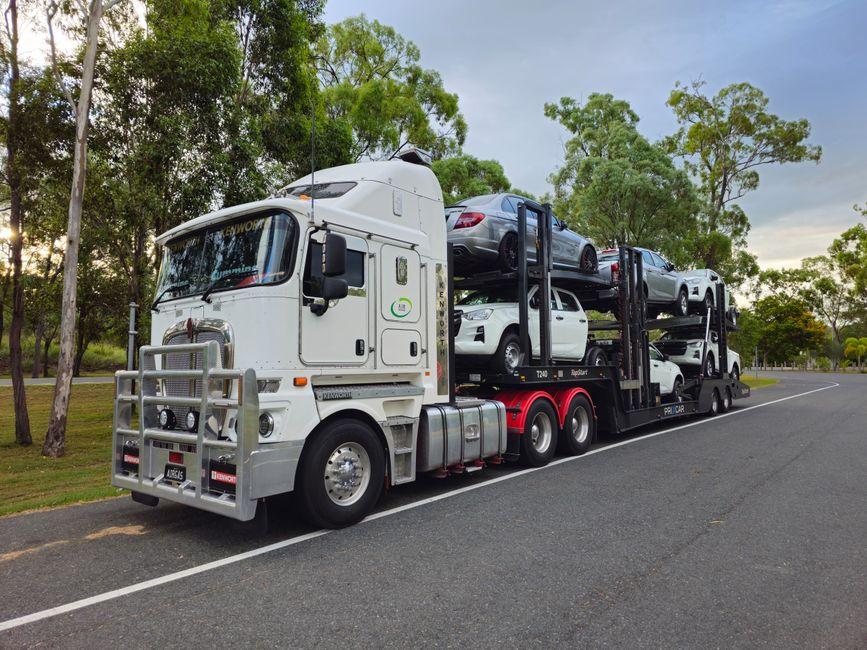
There’s something oddly stressful about deciding what to do with a car when life gets busy. Whether you’re relocating along the East Coast or moving to another part of the country, figuring out how to get your vehicle there can quickly become another item on an already long to-do list. Maybe you’re moving, buying a vehicle from far away, or trying to avoid a marathon road trip that sounds fun only until hour seven. Driving it yourself can seem like the obvious choice, but it’s not always the smartest one. Sometimes shipping a car saves you time, money, and a whole lot of snack-stop regret. Here’s how to tell when it makes sense.
Why Car Shipping Makes Sense
Most people associate car shipping with cross-country moves, but that’s only one of many reasons people choose it. People ship vehicles for all kinds of normal reasons. Some want to avoid taking extra vacation days. Others don’t want to put hundreds of miles on a newer car. If you’re dealing with a long-distance move or a newly purchased vehicle, professional vehicle transports with Geyers Towing can make the whole process feel a lot less chaotic.
The biggest benefit is simple. You don’t have to be the one behind the wheel for every mile. That matters more than people expect. A long drive sounds manageable until you add traffic, weather, overnight stops, and the tiny but powerful sadness of gas station coffee. Shipping can be a practical choice when your schedule is tight, your car needs extra care, or you just want one less thing to juggle during a busy life change.
When Life Changes Your Travel Plans
Some life events turn your normal routine upside down, and your car plan goes with it. Moving to another state is the classic example. You may already be handling boxes, paperwork, pets, kids, and a thousand little tasks. Adding a two-day drive can push things from busy to bonkers. Shipping your car lets you focus on getting yourself settled instead of mapping every rest stop on the highway.
This also comes up with college moves, military relocations, and seasonal living. If you head south for winter or split time between homes, driving back and forth every season can get old fast. Then there’s online car buying. More people now buy vehicles from another city or state because it opens up better prices and more options. In those cases, transport is less of a luxury and more of a practical middle step between purchase and driveway.
The Hidden Cost of Driving
A lot of people compare shipping to the price of gas and stop there. That sounds reasonable, but it misses the sneaky costs. Fuel is only one piece of the puzzle. If you’re driving a long distance, you might also pay for a hotel, meals on the road, tolls, and maybe a day or two off work. Suddenly your “cheap” road trip starts acting expensive.
Then there’s wear and tear. Every long drive adds mileage, tire use, oil life, and general stress on the car. If your vehicle is older, that risk goes up. Even a small issue can turn into a roadside delay and an unexpected repair bill. While shipping may cost more upfront in some cases, it can protect both your time and your vehicle’s condition. The real question isn’t just “What’s the cheapest today?” It’s “What costs less after everything is counted?” That’s a much smarter way to compare your options.
When Safety Comes First
Sometimes the choice has less to do with money and more to do with peace of mind. Long drives can be tiring even if you like road trips. If you’re crossing several states, dealing with mountain roads, or traveling in winter, the risk goes up. Bad weather alone can turn a simple drive into a white-knuckle adventure, and not the fun kind.
Shipping also makes sense for vehicles that need extra care. Maybe you own a classic car, a luxury vehicle, or a car that isn’t in great shape mechanically. In those cases, adding a pile of miles may not be worth it. You might also want to avoid the chance of dents, rock chips, or surprise problems on the road. And honestly, driver fatigue is real. If you’d be pushing through long hours just to “save money,” that can backfire. A tired driver and a packed highway are not exactly best friends.
Choosing the Right Option
If you decide to ship your car, a little homework helps a lot. Start with reviews, but don’t stop there. Look for a company that clearly explains timing, pickup windows, and what kind of transport they offer. Ask direct questions. Is the vehicle insured during transport? What condition report is done at pickup? How should you prepare the car before it’s loaded?
It also helps to keep your expectations realistic. Transport timing can shift because of traffic, weather, and route changes. That doesn’t always mean something is wrong. Good communication matters more than a perfect promise. Before pickup, remove personal items, document the car’s condition with photos, and make sure the fuel level matches the company’s instructions. Think of it like getting your car ready for a trip where you’re not doing the driving. A little prep now can save a lot of confusion later.
Making the Final Choice
So when does shipping make sense instead of driving? Usually when distance is long, your schedule is packed, or the car itself needs extra protection. It can also be the better choice when you add up real travel costs and remember that your time counts too. Driving still works fine for shorter trips, flexible schedules, or people who genuinely enjoy the road. Some folks love a long highway playlist. Others would rather skip the mileage marathon.
The best decision is the one that fits your situation, not the one that sounds toughest or cheapest at first glance. If driving feels like one more stressful task on an already full plate, transport may be the smoother move. Your car gets where it needs to go, and you get to keep your energy for everything else. That’s not lazy. That’s simply a smarter way to move your car, with fewer miles, less stress, and fewer bugs on the windshield.