Local search is often treated as a visibility problem: appear in the map pack, move up the results, and attract more clicks. That view misses the part that matters most. A nearby search usually happens because someone is trying to make a decision. They may need a service soon, want to compare providers, or need reassurance before getting in touch. The businesses that perform well locally are the ones that answer that decision clearly.
This does not require a complicated marketing system. It requires a consistent connection between what people search for, what a business says it offers, and what happens after a visitor arrives. When those three elements agree, local search becomes more than a source of traffic. It becomes a practical way to help the right customer choose with less hesitation.
Start with the customer decision
A local SEO plan is stronger when it starts with a customer decision instead of a list of keywords. Someone searching for a general service may still be comparing options. Someone adding a neighbourhood, district, or “near me” phrase is narrowing the choice. A search for opening hours, pricing, directions, or availability may signal that the person is close to taking action. Each search deserves an answer that fits its stage.
Before creating a page, ask what the visitor needs to know next. Do they need proof that the business serves their area? Are they trying to understand the process? Do they need to see examples, reviews, qualifications, or a simple way to request a quote? These questions give the content a job to do. They also make it easier to decide which page should rank for which type of local intent.
Build pages around useful local questions
A location page should do more than repeat a place name around a generic service description. It should explain what the business actually provides, who it helps, which areas it serves, and what a customer can expect. Useful details may include service boundaries, travel arrangements, response times, common questions, local examples, or the practical steps involved in booking.
The same principle applies to service pages. A page about a specific offering can mention relevant locations where that information genuinely helps the reader, while a broader location page can explain the range of services available there. This creates a clearer structure for visitors and search engines. It also reduces the risk of producing several pages that say almost the same thing with different place names inserted.
Keep local business information consistent
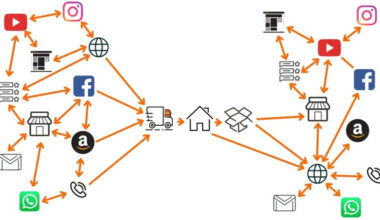
A business can lose trust quickly when its local details disagree across the web. A map listing may show one phone number while the website shows another. An old directory profile may list a former address. A social profile may promise an area of service that the contact page never mentions. These inconsistencies create uncertainty at exactly the moment a potential customer is deciding whether to call or enquire.
Use reviews as decision support
Reviews are not only a reputation signal. They help potential customers picture what working with the business might be like. Specific comments about responsiveness, communication, workmanship, delivery, or problem-solving are often more useful than a collection of vague compliments. A business should make it easy for genuine customers to leave honest feedback and should respond in a way that shows people are being heard.
For businesses serving Hong Kong, a clear Hong Kong SEO strategy can connect local search visibility with the practical details customers need before they enquire. The aim is not to repeat a place name everywhere. It is to make the service easier to find, understand, and choose.
Make the first visit easy to act on
Ranking is only part of the local search journey. Once a visitor reaches the website, the next step should be obvious. The page should make it easy to understand the offer, check whether the business is relevant, and take action without searching through several menus. Depending on the business, that action could be a phone call, WhatsApp message, booking request, quotation form, store visit, or directions request.
Small improvements can remove a surprising amount of friction. Put the service area where people can see it. Use a phone number that works on mobile. Make the primary button descriptive rather than generic. Explain when the business normally replies. If a form is necessary, ask only for information needed to begin the conversation. Local search works best when the page continues the clarity promised by the result.
Measure enquiries, not clicks alone
Clicks and impressions help show whether a page is being seen, but they do not tell the whole story. Local businesses should also track actions that have commercial meaning: qualified calls, completed forms, bookings, visits, direction requests, and sales. A page with fewer visits may be more valuable if it attracts people who are genuinely looking for the service and the location.
Measurement should also account for the time it takes people to decide. Some customers call immediately, while others compare several providers before returning. Use consistent definitions for leads and record which page, search query, or listing introduced the enquiry when possible. Reviewing those patterns over time helps a business invest in the pages and topics that produce useful conversations instead of chasing volume for its own sake.
Make local content specific without making it repetitive
Businesses often create location pages in a hurry and end up publishing several versions of the same paragraph. This may create more URLs, but it does not create more value. Each page should earn its place by answering a real local question, showing relevant evidence, or explaining a meaningful difference in the service experience.
Specificity can come from practical details rather than exaggerated claims. Mention the areas actually served, the kinds of customers supported, the problems commonly encountered, and the steps involved. If two locations receive the same service in the same way, one stronger page may be more useful than several thin pages. The goal is to make the local experience clearer, not to produce a larger pile of near-duplicates.
Build a repeatable local search process
A useful local search process can be repeated every month. Start with the questions customers are asking, review the pages and listings that answer them, check where people stop or enquire, and improve one meaningful part of the journey. That might mean adding a clearer service-area explanation, strengthening proof, correcting business details, simplifying a form, or creating a page for an important unanswered question.
The process becomes more effective when marketing, sales, and customer service share what they learn. Sales conversations can reveal objections that the website never addresses. Customer service can identify recurring questions. Search data can show which locations and services attract attention. Bringing these observations together creates content that reflects real customer decisions rather than assumptions made in isolation.
Turn visibility into a better customer journey
Local search is most valuable when it helps a customer move from uncertainty to a confident next step. That requires more than a ranking position. The search result, landing page, business listing, reviews, contact method, and follow-up should all support the same decision. When a business makes that journey clear, nearby intent becomes easier to capture and more likely to turn into a genuine enquiry.