Starting a vegetable garden right in your own backyard is an incredibly rewarding experience that brings fresh produce straight to your dinner table, explains Purple Door Property Management. Not only does cultivating plants encourage a deeper connection with nature, but it also promotes a much healthier lifestyle. By understanding the basics of site selection, soil health, and daily plant care, anyone can grow a highly successful and abundant seasonal crop.
Planning Your Garden Design and Site Selection
The foundation of any successful vegetable garden begins with proper planning and selecting the ideal location. Most vegetable plants thrive in full sun, meaning they require at least six to eight hours of direct sunlight every day. Observe your yard throughout the day to identify the spots that receive the most consistent light, avoiding areas shaded by large trees or buildings.
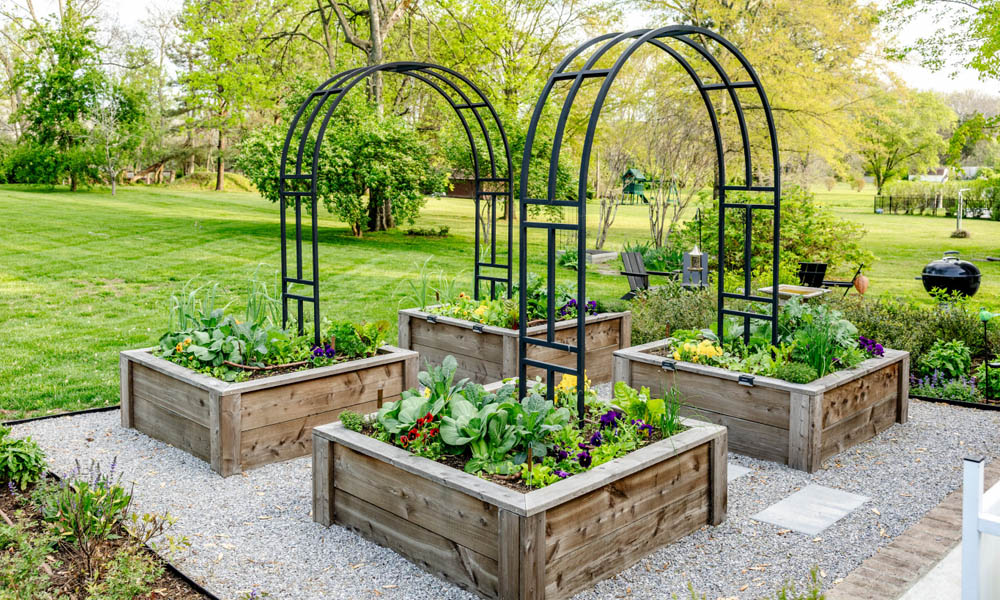
Once you have found the perfect sunny spot, consider your garden layout. Raised beds, container gardens, and traditional in-ground rows are all excellent options depending on your available space and mobility. Raised beds offer excellent drainage and make it easier to control soil quality, while traditional rows are highly cost-effective for larger spaces. Ensure your chosen location has easy access to a reliable water source, as consistent watering is essential for healthy plant development.
Choosing the Right Vegetables for Your Climate
Selecting the right crops for your specific growing region is crucial for a bountiful harvest. Different vegetables have distinct temperature preferences and growing seasons. Cool-season crops, such as spinach, lettuce, peas, and root vegetables, perform best when planted in early spring or late summer. Warm-season crops, including tomatoes, peppers, cucumbers, and squash, require warmer soil and air temperatures to thrive.
Familiarize yourself with your local local frost dates to avoid planting too early or too late in the season. If you are a beginner, it is highly recommended to start with forgiving, easy-to-grow plants like radishes, bush beans, and cherry tomatoes. By aligning your crop selection with your local climate and seasonal changes, you significantly increase your chances of a successful and stress-free growing experience.
Soil Preparation and Nutrient Enrichment
Healthy soil is the lifeblood of a thriving vegetable garden. Before planting a single seed, it is vital to assess and improve your soil quality. A simple soil test can reveal important information about the pH level and nutrient deficiencies present in your garden beds. Most vegetables prefer a slightly acidic to neutral pH, generally ranging between 6.0 and 7.0.
To improve soil structure and fertility, generously incorporate organic matter into your planting area. Utilizing high-quality amendments, such as organic compost in Murray, provides essential nutrients, improves water retention in sandy soils, and enhances drainage in heavy clay soils. Work the compost into the top six to eight inches of your garden beds a few weeks before planting. This preparation creates a rich, loose, and aerated environment that encourages strong root growth.
Planting and Nurturing Your Growing Garden
When the time comes to populate your garden, you can choose between starting plants from seeds or purchasing established transplants from a local nursery. Seeds are highly economical and offer a wider variety of plant choices, but they require more time and controlled conditions to germinate. Transplants provide a valuable head start, making them ideal for areas with shorter growing seasons.
Follow the specific spacing and depth instructions provided on seed packets or plant tags to prevent overcrowding. Overcrowded plants compete for sunlight, water, and nutrients, which can severely stunt their growth. Once planted, apply a thick layer of organic mulch, such as straw or shredded leaves, around the base of your plants. Mulch suppresses competitive weeds, regulates soil temperature, and retains vital moisture during hot summer days.
Garden Maintenance and Natural Pest Control
Consistent maintenance is necessary to keep your vegetable garden healthy and productive. Watering practices play a massive role in plant health. It is always better to water deeply and infrequently rather than providing shallow, frequent sprinkles. Deep watering encourages plant roots to grow further down into the soil, creating drought-resistant crops. Water at the base of the plants early in the morning to prevent moisture-related fungal diseases.
Pests are an inevitable part of gardening, but they do not have to ruin your harvest. Inspect the undersides of leaves regularly for signs of insect damage or egg clusters. Implement companion planting strategies—like growing marigolds near tomatoes—to naturally deter harmful pests. If interventions are necessary, opt for gentle, natural solutions such as insecticidal soap or neem oil rather than harsh chemical sprays that can harm beneficial pollinators.
Harvesting and Enjoying Your Fresh Produce
The most exciting part of vegetable gardening is finally harvesting the fruits of your labor. Picking vegetables at their peak ripeness ensures the best flavor and nutritional value. Many crops, such as zucchini, beans, and leafy greens, actually produce higher yields when harvested frequently. Leaving mature produce on the vine signals the plant to stop producing new flowers, so check your garden daily during peak harvest times.
Use clean, sharp scissors or pruning shears to remove vegetables from the plant, which prevents tearing the stems and exposing the plant to potential diseases. Wash your freshly harvested produce thoroughly before bringing it into your kitchen. Whether you are preserving your bounty for the winter months or tossing a fresh summer salad, nothing compares to the incredible taste of homegrown vegetables.
Conclusion
Growing a thriving backyard vegetable garden requires patience, consistent effort, and a genuine willingness to learn from nature. However, the immense satisfaction of harvesting your own food far outweighs the initial challenges you might face along the way. Take these foundational steps, apply them to your unique outdoor space, and watch your vibrant plants continuously flourish. Begin your rewarding gardening journey this season.