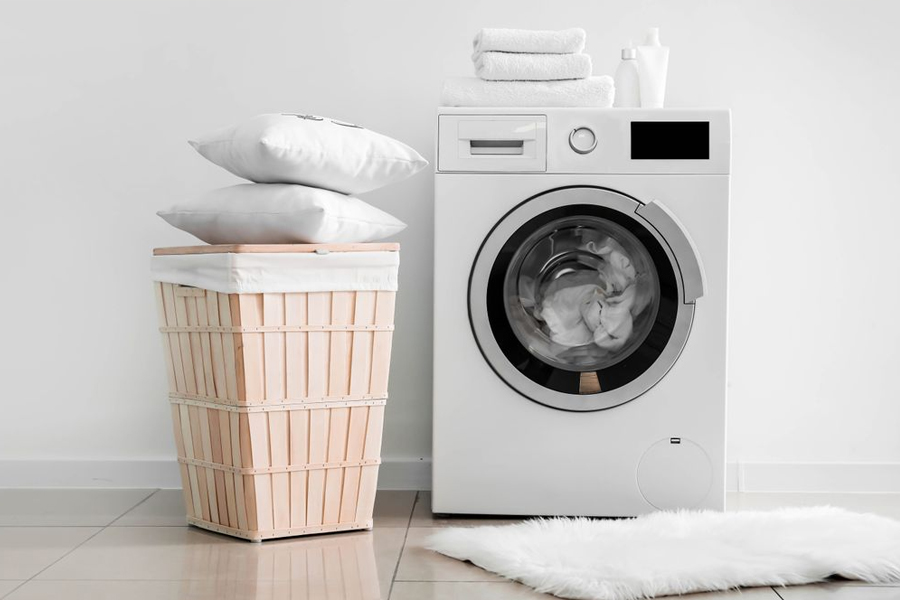
Know Your Machine: Front Loader vs Top Loader
Each washer has a character. Using water and tumble, front loaders clean efficiently but require care to door gaskets and ventilation. Top loaders can hide lint and grime under the rim or agitator but are more tolerant with door drying and gasket difficulties. Customize your care to your design. A gray rubber boot around the door indicates gasket cleaning. Plan periodic fiber and residue checks beneath or around an agitator.
Detergent Discipline and Water Quality
The most effective habit is using the appropriate detergent in the right amount, point out Pivetti Property Management experts. Hi-efficiency washers need HE detergent. Suds from too much soap impede cleaning, overwork pumps, and feed smells. Measure all the time. In hard water, detergent and minerals create film in hoses, valves, and tubs. Using a water hardness test strip can help. Reduce detergent and add a laundry water softener for moderate to high hardness. Schedule empty hot cycles with a washing cleanser to reduce mineral scale in hard water.
Monthly Deep-Clean Routine
Give your machine a fresh start every month. Think of it as an oil change for the laundry room.
- Run a Tub Clean or hot cycle with a washer cleaner. If your model lacks a dedicated cycle, select the longest, hottest program and extra rinse.
- Remove and soak the detergent drawer in warm, soapy water. Scrub the channels where the drawer slides in. Residue here is a common source of clogs and odors.
- Clean the door gasket. Pull back the folds gently. Wipe with a cloth dipped in warm water and a small amount of mild detergent. Rinse and dry. For stubborn spots, use a laundry-safe mildew cleaner. Avoid petroleum-based products on rubber.
- Clear the drain pump filter if your machine has a service door. Place a shallow pan and towels beneath. Open slowly to control water. Remove lint, coins, and debris, then hand-tighten the cap.
- Wipe the inside of the drum and glass door, then leave the door ajar and the detergent drawer cracked open to promote airflow.
Leveling and Vibration Control
A washer that dances across the floor is telling you it is out of balance or out of level. Both shorten its life.
- Place a bubble level left to right and front to back on the top panel. Adjust the front feet by loosening the lock nuts, turning feet until level, then retightening the nuts. If the rear feet are self-leveling, lift slightly and set down to engage them.
- Use rigid, flat flooring. Soft mats can amplify movement. If your floor flexes, consider a vibration isolation pad system designed for washers.
- Load with symmetry in mind. Pair a large towel with another large towel. When washing a blanket or rug, add a few smaller items to balance weight.
- Persistent thudding and walking despite proper leveling can indicate worn shock absorbers in front loaders or tired suspension rods in top loaders. Addressing these early helps protect the motor and bearings.
Hoses, Drains, and Flood Protection
Water is your friend until it is not. Guard against leaks and backups.
- Inspect inlet hoses twice a year. Look for bubbles, cracks, corrosion at fittings, and kinks. Traditional rubber hoses should be replaced every 5 years. Consider braided stainless steel hoses for extra durability.
- Check the small inlet screens where hoses connect to the washer. Mineral grit collects here and starves the machine of water. Turn off supply valves, unscrew hoses, gently remove screens, rinse, and reinstall.
- Confirm proper standpipe height and drain hose placement. Most machines require the drain to be roughly 30 to 96 inches high. A hose pushed too far down can siphon water; one that is too shallow can leak.
- Place a drain pan beneath upstairs washers if local codes and structure allow. An automatic shutoff valve with leak sensors can provide extra peace of mind.
Loading Strategy for Better Washes and Longer Life
Your washer prefers rhythm over chaos. Give it a beat it can keep.
- Aim for a loosely full drum. Clothes should move freely. Compressing items into a tight mass stresses the motor and bearings and leaves soils trapped.
- Close zippers and use mesh bags for lingerie, small items, and clothing with hooks or hardware. This reduces snagging and protects the drum’s finish.
- Wash bulky items like comforters one at a time, adding two or three small towels to help distribute weight during spin.
- If your machine offers soil level, spin speed, or fabric type settings, choose the gentlest that still achieves your goal. High spin is excellent for thick towels but can be overkill for lightweight synthetics, while delicate garments labeled for dry cleaning should be kept out of the washer altogether.
Odor and Mold Prevention
Odors arrive quietly and linger loudly. Keep them out with airflow and simple hygiene.
- Leave the door ajar between cycles. Airflow is your primary defense against mildew.
- Dry the gasket and glass after heavy or hot cycles when condensation is most likely.
- Alternate between detergents occasionally. Some residues are more soluble in different surfactant blends.
- Use fabric softener sparingly. Liquids can deposit a waxy film that encourages odor. Dryer balls or vinegar in the rinse compartment can be alternatives for softening, but use vinegar with moderation and never mix it with chlorine bleach in the same cycle.
- Run a sanitizing cycle monthly if your machine supports it. If not, a periodic hot cycle with a machine cleaner tames biofilm.
Energy and Temperature Smarts
Smart temperature choices protect fabrics and your washer.
- Most everyday loads perform well in cold water when using a quality detergent. Reserve hot for sheets, towels, and heavily soiled items. This reduces mineral and soap bake-on inside the machine.
- Use the highest spin speed your fabrics can tolerate to shorten dryer time. Dryers consume more energy than washers, so an efficient spin is a hidden win.
- If you wash in cold consistently and have odor issues, incorporate one hot maintenance cycle each week to dissolve residues and discourage microbial growth.
Small Fixes You Can Do in an Afternoon
There is satisfaction in solving small problems before they grow.
- Reset a finicky control board by unplugging the machine for 5 minutes, then plugging back in. Some models also have a calibration mode to relearn load sensing; check your control panel for a calibration option in the settings menu.
- Replace a worn or mold-stained dispenser drawer. Many slide out completely with a press of a tab, and replacements snap in without tools.
- Clean around the door lock mechanism with a cotton swab. Lint buildup here can cause intermittent door errors.
- Check leveling feet lock nuts. They loosen over time and invite vibration.
When to Repair vs Replace
A clear-eyed view prevents pouring money into a sinking ship.
- Age matters. Most washers live 8 to 12 years depending on usage and water quality. If a repair exceeds about half the cost of a comparable new unit and the machine is already past the midpoint of its life, replacement often makes sense.
- Bearing trouble announces itself with a low, growing rumble during spin and sometimes a grease stain behind the inner drum. This is a major repair.
- A persistent leak from the center of the drum area signals a failing tub seal. Continued use can damage the bearings and motor.
- Burnt smells, repeated breaker trips, or visible arc marks near the control board call for immediate shutdown and professional evaluation.
Seasonal Checklist
A little timing goes a long way.
- Before vacations, turn off water supply valves and disconnect power. This relieves line pressure and prevents slow leaks from turning into disasters.
- In winter, keep the laundry area above freezing. Frozen inlet valves or hoses can crack and flood once thawed.
- Twice a year, pull the washer forward, vacuum lint, and wipe dust from vents and coils on combo units. Clear the drain filter and check the standpipe for slow draining.
- For stacked sets, ensure the stacking kit remains tight. Vibration can loosen hardware over time.
FAQ
How often should I run a cleaning cycle?
Run a tub clean or hot maintenance cycle once a month for typical family use. If you wash primarily in cold water or notice odors, increase to every two weeks until the smell clears.
Is vinegar safe to use in my washer?
White vinegar in small amounts can help dissolve mineral residue and neutralize odors, but use it in a separate maintenance cycle and never combine it with chlorine bleach. Prolonged, heavy use can be harsh on some rubber components, so moderation is key.
Why does my washer smell musty even after I clean the drum?
Odors often hide in the detergent drawer, door gasket folds, and drain pump filter. Clean all three, improve airflow by leaving the door ajar, and reduce detergent to prevent fresh residue buildup.
What causes loud banging during the spin cycle?
Common causes include an unlevel machine, an unbalanced load with heavy items clumped on one side, or a failing suspension component. Level the feet, redistribute the load, and if the issue persists, inspect shocks or suspension rods.
Should I leave the washer door open between cycles?
Yes. A partially open door and a cracked detergent drawer encourage airflow that keeps moisture from settling into gaskets and crevices where mildew thrives.
How high should the drain standpipe be?
Most washers require a standpipe roughly 30 to 96 inches high. Check your machine’s label near the drain hose for the exact range. Too low can cause siphoning, and too high may slow draining.
What is the right amount of detergent to use?
Follow the cap or scoop dosing for your load size and soil level, then consider your water hardness. With hard water, you may need a softening booster; with soft water, you can often reduce detergent slightly. Visible suds in the drum are a sign you are using too much.
How long do inlet hoses last?
Traditional rubber hoses should be replaced every 5 years, sooner if you see bulges or cracks. Braided stainless steel hoses offer added durability but still require periodic inspection.
Are washer cleaning tablets better than liquid cleaners?
Both work. Tablets are convenient and premeasured. Liquids can be dosed precisely and may reach crevices more readily during hot cycles. Choose a product designed for washing machines and use it as directed.
How do I know if my drum bearings are failing?
A deep, rhythmic roar or growl that increases with spin speed is the classic sign. You may also notice play in the inner drum when you push up and down by hand. Bearing replacement is advanced and often not cost effective on older units.