The Enduring Charm and Heritage of Historic Tennis Clubs
For many of us, tennis is more than just a game. It is a rich tradition, a strong community, and a journey of skill. Historic tennis clubs hold a special place. They offer a unique blend where the echoes of past champions meet the goals of new players. We are often drawn to their lasting charm, from carefully kept courts to long-standing rules. This is true for many places, including any prestigious tennis club that values its history.
These clubs skillfully mix their rich past with the needs of modern sports. They often combine proven coaching methods with new sports science. This helps develop new talent while respecting the game’s deep roots.
We will explore the special appeal of these clubs and how their coaching has changed. We will also look at how they use new tools, like online court booking. This helps them improve member experience while keeping their unique heritage alive. Join us as we discover how tradition and new ideas work together in historic tennis.
Historic tennis clubs offer more than just courts; they provide an immersive experience steeped in tradition and community. These establishments often boast heritage courts, many of them pristine grass, which demand meticulous care and offer a playing surface unlike any other. The atmosphere is frequently defined by a certain traditional etiquette, fostering a respectful and convivial environment among members. This sense of community culture is often passed down through generations, creating a rich sporting history that members cherish. From annual club tournaments that pit friends and rivals against each other to social gatherings that strengthen bonds, these clubs are vibrant hubs of activity.
The appeal lies not just in the sport itself, but in the entire ecosystem these clubs cultivate. They are places where memories are made, skills are honed, and friendships endure, all within a setting that respects and celebrates the game’s origins. This unique blend of competitive play and social interaction, underpinned by a deep reverence for tradition, makes historic tennis clubs truly special.
Preservation of Lawn Tennis Traditions in Historic Tennis Clubs
The preservation of lawn tennis traditions is a cornerstone of historic clubs. The iconic grass courts, which are the original surface for the sport, require significant investment and expertise to maintain. Their upkeep is a testament to a club’s commitment to heritage, offering a playing experience that connects players directly to the game’s past. Beyond the courts, many clubs uphold a tradition of white attire, a nod to the sartorial elegance that once defined the sport. This isn’t merely a dress code; it’s a symbolic embrace of the game’s classic aesthetic.
Court maintenance is an art form in itself, involving precise mowing, rolling, and watering schedules to ensure the perfect playing conditions. This dedication to heritage preservation extends to every aspect of the club, from the clubhouse architecture to the types of tournaments hosted. However, these clubs are not static; they also engage in surface adaptation, sometimes incorporating hard or clay courts to offer variety and extend playing seasons, while still ensuring the grass courts remain the jewel in their crown. For instance, a club like the prestigious Ealing Lawn Tennis Club exemplifies this balance, meticulously maintaining its grass courts while offering diverse playing options to its members. This careful stewardship ensures that the unique character and playing conditions of lawn tennis continue to thrive for future generations.
Architectural Character and Social Legacy
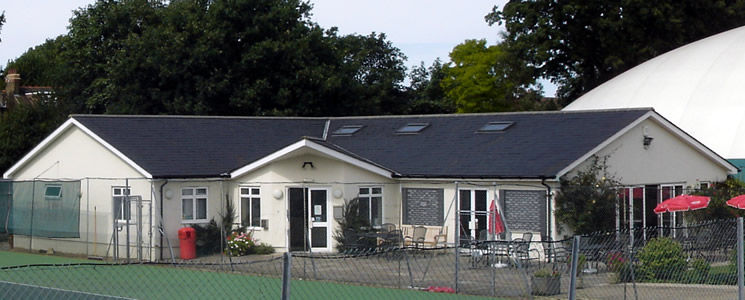
The architectural character of historic tennis clubs is often as captivating as their sporting legacy. Many feature grand, historic clubhouses that serve as social focal points, exuding an old-world charm that modern facilities often struggle to replicate. These buildings are not just functional spaces; they are repositories of history, often adorned with archival trophies and photographs that tell the story of the club’s past champions and memorable moments.
These clubhouses are central to the social networking aspect of membership. They provide elegant settings for members to mingle, dine, and relax, fostering a strong sense of community. This social legacy is often characterized by intergenerational membership, where families have belonged to the club for decades, passing down traditions and friendships from one generation to the next. Such continuity creates a unique social fabric, where seasoned veterans share courts and wisdom with enthusiastic newcomers.
Beyond daily interactions, historic clubs frequently host a vibrant calendar of community events, ranging from formal dinners and dances to themed parties and charitable fundraisers. These events reinforce the club’s role as a social institution, strengthening bonds between members and integrating the club into the wider local community. The blend of architectural beauty, shared history, and active social life creates an environment where members feel a deep sense of belonging and pride.
Professional Coaching Methodologies in Classical Environments
In the classical environments of historic tennis clubs, professional coaching methodologies are often elevated to an art form, blending time-honored techniques with contemporary insights. Coaches here typically employ structured drills designed to systematically improve every facet of a player’s game, from foundational strokes to advanced tactical maneuvers. The emphasis is not just on hitting balls, but on developing a comprehensive understanding of the game.
Tactical development is a key component, with coaches guiding players through strategic scenarios, helping them to read opponents, anticipate plays, and construct points effectively. Significant attention is paid to stroke mechanics, ensuring players develop efficient and powerful techniques that are both effective and injury-preventing. Personalized feedback is a hallmark of this coaching, with instructors often working closely with individual players to identify specific areas for improvement and tailor training plans accordingly.

Beyond the physical and technical aspects, mental conditioning plays a crucial role. Coaches help players develop resilience, focus, and composure under pressure, recognizing that the mental game is as vital as the physical. This holistic approach ensures that players not only improve their skills but also cultivate a deep appreciation for the game’s strategic and psychological dimensions.
Integrating Modern Sports Science into Historic Tennis Clubs
While rooted in tradition, historic tennis clubs are increasingly embracing modern sports science to enhance their coaching programs. This integration allows them to offer a cutting-edge experience that complements their classical setting. Video analysis has become an indispensable tool, enabling coaches and players to review footage of matches and training sessions in detail. This visual feedback helps players understand their biomechanics, identify inefficiencies in their strokes, and track their progress over time.
Biomechanics, the study of mechanical laws relating to the movement or structure of living organisms, is applied to optimize player movements, improve power generation, and minimize injury risk. Physical conditioning programs are tailored to the specific demands of tennis, focusing on agility, speed, endurance, and strength, ensuring players are physically prepared for the rigors of competitive play.
Advancements in racket technology are also incorporated, with coaches advising players on equipment that best suits their playing style and physical attributes. Performance tracking, often through wearable devices or integrated court sensors, provides objective data on player movement, shot speed, and court coverage, offering valuable insights for training adjustments. Finally, a strong emphasis is placed on injury prevention, with tailored warm-up routines, recovery strategies, and access to sports medicine professionals, ensuring players can sustain their performance and enjoyment of the game long-term. This blend of tradition and innovation ensures that players at historic clubs receive a truly comprehensive and advanced coaching experience.
Junior Development and Academy Pathways
Historic tennis clubs often serve as incubators for future talent, boasting robust junior development and academy pathways. These programs are designed to nurture young players from their first swing to elite-level competition. Grassroots programs introduce children to the sport in a fun and engaging way, focusing on fundamental skills, coordination, and a love for the game. As players progress, they enter more structured training environments.
Competitive rankings become a significant motivator, with clubs often hosting internal ladders and encouraging participation in external tournaments. This competitive exposure is crucial for development, teaching players how to perform under pressure and learn from both wins and losses. Mentorship is another key aspect, with older, more experienced players or coaches guiding younger athletes, sharing insights, and providing encouragement.
A strong emphasis is placed on sportsmanship, instilling values of fair play, respect for opponents, and integrity on and off the court. This holistic approach ensures that junior players develop not only as athletes but also as well-rounded individuals. Tournament preparation is meticulous, covering everything from physical readiness and tactical planning to mental preparation and nutrition. These comprehensive pathways ensure that young talent at historic clubs has every opportunity to reach its full potential, whether aiming for collegiate tennis, professional circuits, or simply a lifelong enjoyment of the sport.
Modernizing Facility Operations and Court Access
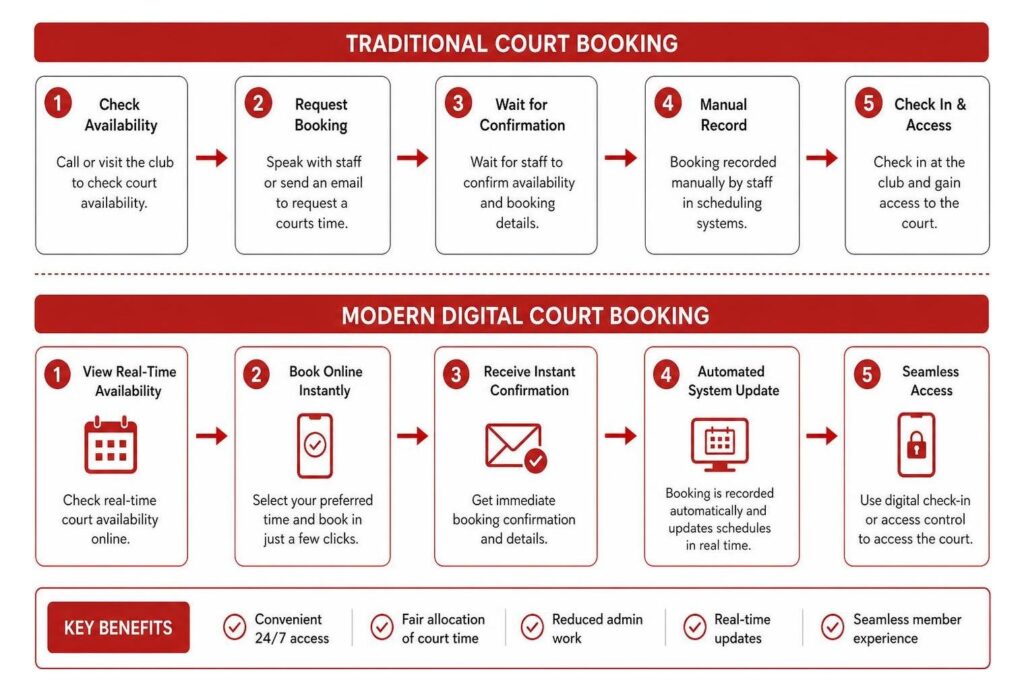
Modernizing facility operations and court access is a critical challenge and opportunity for historic tennis clubs. While preserving tradition, they must also meet the expectations of contemporary members for convenience and efficiency. Digital scheduling systems have become indispensable, allowing members to book courts online, often weeks in advance, from anywhere at any time. This dramatically reduces administrative burden and improves member satisfaction.
Automated lighting systems can be integrated with booking platforms, ensuring courts are lit only when reserved, leading to energy savings and operational efficiency. Access control systems, from key cards to mobile app entry, provide secure and seamless entry to facilities, especially during unstaffed hours. For clubs with multiple playing surfaces, multi-court coordination is vital to manage diverse needs and prevent scheduling conflicts. During peak times, effective peak management strategies, often involving booking limits or dynamic pricing, ensure fair access for all members.
These technological advancements streamline operations, allowing staff to focus on member services rather than manual scheduling. The shift towards digital solutions reflects a broader trend across the sports industry to enhance user experience through smart technology.
Balancing Timeless Culture with Seamless Digital Access
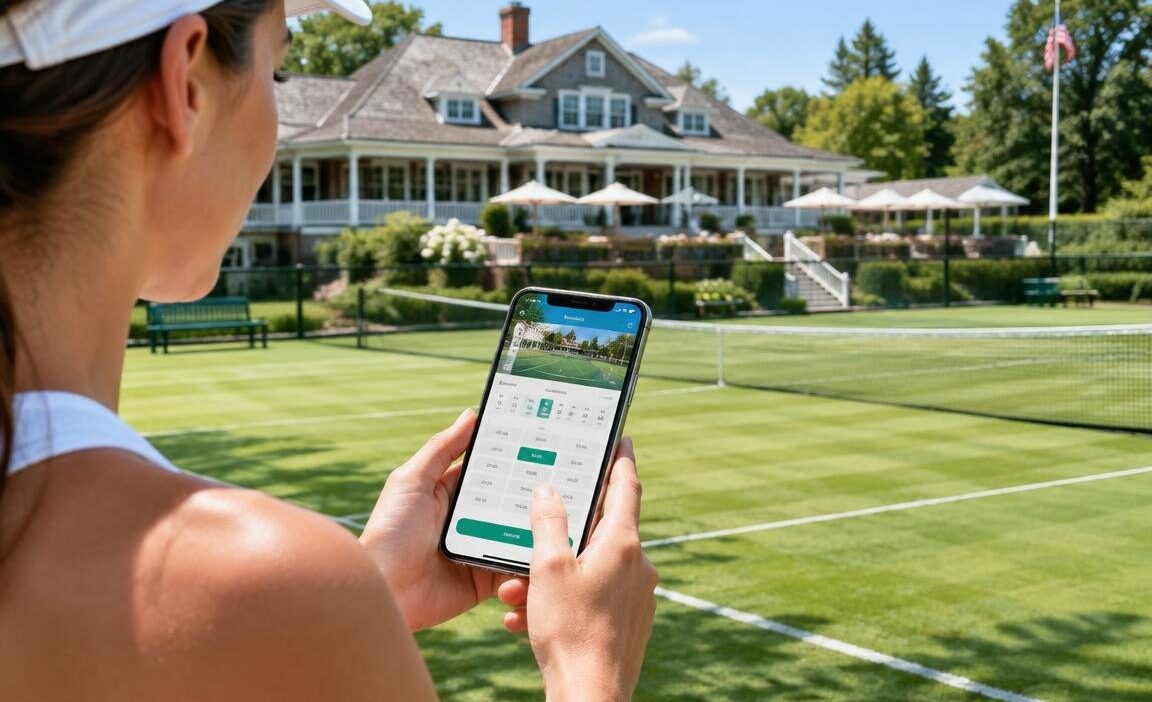
The delicate act of balancing a club’s timeless culture with the demand for seamless digital access is where many historic tennis clubs excel. The advent of online reservations has revolutionized how members interact with their club, offering unparalleled convenience. Members can now view real-time availability of courts and book their preferred slots with just a few clicks, often through dedicated member portals. This empowers members with greater control over their playing schedules.
A key aspect of these systems is ensuring fair allocation of court time. Clubs implement usage rules within their online platforms, such as limiting consecutive bookings or setting booking windows, to prevent monopolization and ensure equitable access for all members. This is particularly important for high-demand courts or during peak hours. Some systems even offer a visual availability preview, allowing members to quickly identify open slots. Secure online payments are often integrated, simplifying the process of paying for court time, coaching sessions, or even club events.
The benefits extend beyond mere convenience. Online booking systems can provide valuable data on court utilization, helping clubs optimize their resources and identify trends. They also allow for automated reminders, reducing no-shows and improving court occupancy. By integrating these digital tools, clubs can maintain their cherished traditions and community feel while providing the modern, efficient service that today’s members expect. It’s about enhancing the member experience without compromising the club’s unique identity.
Frequently Asked Questions About Historic Tennis Clubs and Coaching
What distinguishes coaching at traditional tennis clubs from public facilities?
Coaching at traditional tennis clubs often stands apart from public facilities due to several key factors. Firstly, there’s typically a lower coach-to-player ratio, allowing for more personalized feedback and individualized attention during lessons. This enables coaches to delve deeper into a player’s technique, strategy, and mental game. Secondly, these clubs often boast tailored curriculums that are designed for member progression, from beginner stages through to advanced competitive play, rather than generic drop-in classes.
The availability of surface diversity, including grass, clay, and hard courts, provides unique training opportunities that develop a more versatile player. Coaches can leverage these different surfaces to teach varied strategies and techniques. Furthermore, dedicated facilities, such as specific training courts, ball machines, and video analysis rooms, are more common, offering a comprehensive training environment. This commitment to player development, coupled with a strong sense of community and mentorship, creates a distinct and often more intensive coaching experience than typically found in public settings.
How do heritage clubs manage court access while preserving turf quality?
Preserving the quality of turf, especially on grass courts, is a paramount concern for heritage clubs, and they employ sophisticated strategies to manage court access. Rotation schedules are fundamental; courts are often rested and rotated to prevent overuse of specific areas, allowing the grass to recover. This ensures even wear and maintains optimal playing conditions throughout the season.
Maintenance windows are strictly adhered to, with dedicated times for mowing, rolling, watering, and other essential turf care activities. During these periods, courts are temporarily closed to play. Automated reservations systems play a crucial role here, as they can be configured to automatically block out courts for maintenance, ensuring no accidental bookings occur. Furthermore, many clubs enforce strict footwear regulations, requiring members to wear non-marking tennis shoes to minimize damage to the delicate playing surfaces. By combining careful scheduling, dedicated maintenance, and member compliance, heritage clubs successfully balance high usage with the preservation of their pristine turf quality.
Can beginners join coaching programs at private heritage clubs?
Absolutely, beginners are often welcomed into coaching programs at private heritage clubs, and many clubs actively encourage new players to join. While these clubs might have a reputation for elite play, they understand the importance of nurturing talent at all levels. The process typically begins with skill assessments to understand a beginner’s current ability and place them in the most appropriate group.
Beginner clinics are a common offering, providing a structured and supportive environment for those new to the sport. These clinics focus on fundamental techniques, rules, and court etiquette. Many clubs also offer adult coaching programs designed specifically for those picking up the racket later in life, providing a social and instructional pathway into the game. Social mix-ins and introductory events are frequently organized to help new members integrate into the club’s community and find playing partners. The goal is often structured progression, guiding beginners through a series of lessons and programs that gradually build their skills and confidence, allowing them to fully enjoy the sport and become active members of the club.

Conclusion
The enduring appeal of historic tennis clubs lies in their masterful blend of sporting heritage and forward-thinking innovation. These venerable institutions, from their meticulously maintained grass courts to their grand clubhouses, offer a unique journey through the history of tennis. Yet, they are far from static. Through elite coaching methodologies that integrate modern sports science, they continue to develop players of all ages and abilities, nurturing talent and fostering a deep love for the game.
The community value embedded within these clubs is immeasurable, creating intergenerational bonds and a vibrant social fabric that extends far beyond the baseline. Crucially, their embrace of digital convenience, particularly through advanced online court booking systems, demonstrates a commitment to enhancing member experience without sacrificing their unique identity. This strategic adoption of technology ensures fair access, streamlines operations, and allows these clubs to thrive in the modern era. As we look towards September 2026 and beyond, the long-term legacy of these historic tennis clubs will undoubtedly be defined by their ability to honor their past while confidently stepping into the future, providing an unparalleled experience for generations of tennis enthusiasts.